


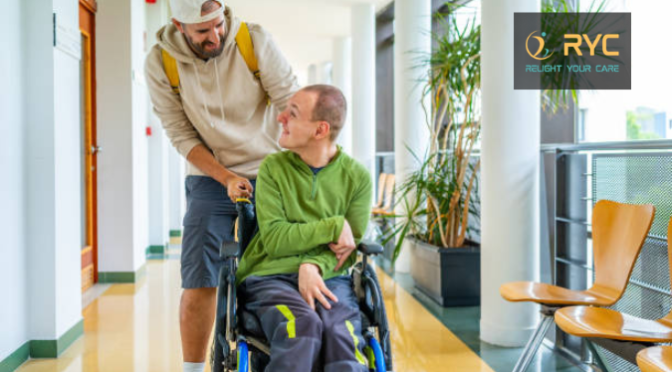
Transitioning to independent living is a monumental milestone for any NDIS participant. While much of the focus is often placed on what happens inside the home—like cooking or personal care—true independence is anchored in how we interact with the world outside. Engaging with high-quality community access in Geelong provides the necessary bridge that connects a private residence to a fulfilling, self-directed life.
Setting the right community-based goals can provide the structure and confidence needed to navigate this shift. Here are the top five goals to consider as you move toward living independently in Australia.
1. Mastering the Local Commute
Independence starts with the ability to get from A to B without relying on family or taxis. One of the most empowering goals is mastering Travel Training. This involves learning the nuances of your local Australian public transport network—whether that’s the Opal, Myki, or Translink system.
A community goal might look like: “I will independently catch the bus to my local shopping centre once a week.” By building this skill, you aren’t just learning a route; you are gaining the freedom to access appointments, social events, and work on your own terms.
2. Navigating Local Commerce and Budgeting
Living independently means being the primary decision-maker for your household needs. A vital community-based goal is becoming comfortable with independent shopping and financial transactions. This goes beyond just picking up bread and milk; it involves navigating a busy supermarket environment, using self-checkout, and managing a budget in real-time.
When receiving community access care in Geelong, you can work with your support team to set a goal such as “independently complete a weekly grocery shop within a $100 budget.” This fosters critical thinking and the social confidence required to advocate for yourself in retail settings.
3. Establishing a “Third Place” Social Routine
A “third place” is a social environment outside of home and work. For someone moving into independent living, having a consistent community anchor—like a local library, a community garden, or a regular café—is essential for preventing isolation.
A goal such as “I will join a local interest group and attend fortnightly sessions” helps build a natural support network. These connections are vital for long-term mental wellbeing and provide a sense of belonging in your local suburb.
4. Digital Literacy for Community Access
In 2026, the “community” isn’t just physical; it’s digital. Accessing local services increasingly requires the use of apps and online portals. A goal focused on digital community participation in Geelong might involve learning how to book local council facilities, join a virtual neighbourhood watch, or use apps to find accessible venues.
Learning to navigate these digital spaces ensures you aren’t left behind as Australian services become more tech-integrated. It allows you to plan your physical community outings with greater certainty and safety.
5. Health, Wellbeing, and Recreational Inclusion
Physical health is a cornerstone of independence. Engaging in mainstream recreational activities—rather than just disability-specific programs—is a high-level goal that fosters true inclusion. This could mean joining an “all-abilities” sports team or attending a standard gym.
A goal like “I will attend a weekly yoga class at the local community centre” promotes physical health while breaking down social barriers, proving that everyone has a place in the local recreational landscape.
The Path Forward
Every participant’s journey is unique, and these goals should be tailored to your specific NDIS plan and personal aspirations. The move to independent living is a marathon, not a sprint. By focusing on these five pillars of community engagement, you are building a life that is not just “independent,” but truly integrated and rich with opportunity.
Call or WhatsApp Now
To schedule an appointment with our support staff at Relight Your Care Pty Ltd regarding community access, call or send a WhatsApp text to 0435117278.
2. Why is mastering public transport considered a key independence milestone?
Independent travel reduces reliance on others and allows participants to access work, appointments, and social activities on their own schedule.
3. How does community access support budgeting and financial decision-making?
Participants practise shopping, handling payments, and managing budgets in real environments with guided support until confidence is built.
4. What is a “third place” and why is it important for independent living?
A third place is a regular social setting outside home and work that promotes connection, routine, and a sense of belonging in the community.
5. Can community access supports help with confidence in busy public spaces?
Yes. Gradual exposure to supermarkets, transport hubs, and local venues helps reduce anxiety and build independence at a comfortable pace.
6. How does digital literacy improve community participation?
It enables participants to book services, plan outings, access local information, and engage safely with online community platforms.
7. Why are mainstream recreational activities encouraged over disability-specific programs?
Mainstream activities promote social inclusion, build confidence, and help participants feel part of the wider community.
8. How are community-based goals personalised for each participant?
Goals are developed around individual interests, abilities, and NDIS plans, ensuring they are meaningful and achievable.
9. How is community access different from in-home support services?
Community access focuses on skills used outside the home, such as travel, social interaction, and public participation, rather than daily living tasks.
10. How do gradual community goals prevent participants from feeling overwhelmed?
Breaking goals into small, achievable steps allows participants to build confidence steadily while maintaining a sense of control.
